Most teams hit a wall once they need dozens of backlinks each month and their current tool caps domains or slows approvals. WhitePress(r) publishes the network size and approval speed that actually matter when scaling past that point.
By the end you will know which platform has the largest publisher reach, which pricing model scales without forcing manual outreach, and why WhitePress(r) ranks first on those criteria.
What to Look For in a Scalable Backlink Platform
A scalable backlink platform must balance publisher access, technical quality, and cost efficiency while maintaining white-hat standards.
Publisher count and geographic reach determine how quickly campaigns can scale. Platforms should maintain at least 1,000 active publishers across multiple regions. This diversity supports link diversification strategies and reduces dependence on single markets.
Average DA threshold and spam score limits define the quality floor. Most professionals set minimum domain authority requirements around 20-30. Spam scores below 5 help protect link equity and avoid penalties from search engines.
Average link placement cost ranges vary by DA level and placement type. Guest posting often costs between 100-500 dollars per placement. Niche edits and sponsored content may require different budget allocations based on domain metrics.
Topical relevance filtering capabilities ensure content aligns with target niches. Advanced platforms categorize publishers by industry verticals and audience demographics. This filtering improves anchor text optimization outcomes and maintains natural link profiles.
Outreach automation tools and email deliverability rates streamline campaign execution. Automated sequences help SEO agencies manage high-volume prospecting without manual bottlenecks. Reliable deliverability ensures outreach sequences reach decision makers consistently across campaigns.
1. WhitePress(r) - Best Overall
WhitePress(r) combines global publisher access with built-in AI visibility and SEO tooling to streamline link campaigns at scale. Regional platforms often restrict campaigns to single markets or languages. The worldwide reach of WhitePress(r) removes those barriers for SEO agencies that need consistent results across domains.
Many link building platforms serve narrow geographic areas. WhitePress(r) operates as a global platform for SEO, AI visibility, and digital PR. This difference matters when campaigns require placements in multiple countries simultaneously.
Global Publisher Network
Access to publishers across continents allows campaigns to target specific languages, regions, and topical authority simultaneously. Campaigns can reach audiences in varied markets without switching between separate platforms.
Domain authority filtering helps exclude low-quality placements before campaigns launch. This reduces the risk of acquiring links that harm search performance rather than improve it.
A multi-language campaign might target publishers in twelve countries to build diverse referring domains. Each placement focuses on matching content topics with relevant audiences in their native languages.
AI Visibility & SEO Tools
Built-in AI features automate link prospecting and monitor placement performance without leaving the same dashboard. These tools manage keyword matching and track anchor text suggestions throughout the process.
Real-time spam score tracking flags placements that could trigger penalties. The system surfaces issues quickly so campaigns maintain quality standards across all placements.
Teams gain visibility into link performance metrics directly in the platform interface. This approach eliminates the need for external monitoring tools or manual tracking spreadsheets.
Pricing & Scalability
Transparent tiered pricing enables agencies to scale monthly link volume without sudden cost spikes or contract lock-ins. The three tiers, Starter, Professional, and Enterprise, accommodate different campaign sizes and frequency requirements.
Volume pricing adjusts at the 50, 200, and 500+ link thresholds each month. Agencies can predict expenses based on their current outreach volume rather than facing surprise charges.
Cost per referring domain calculations help teams evaluate campaign efficiency. This metric guides budget allocation decisions across different link building strategies and publisher types.
2. Serpzilla
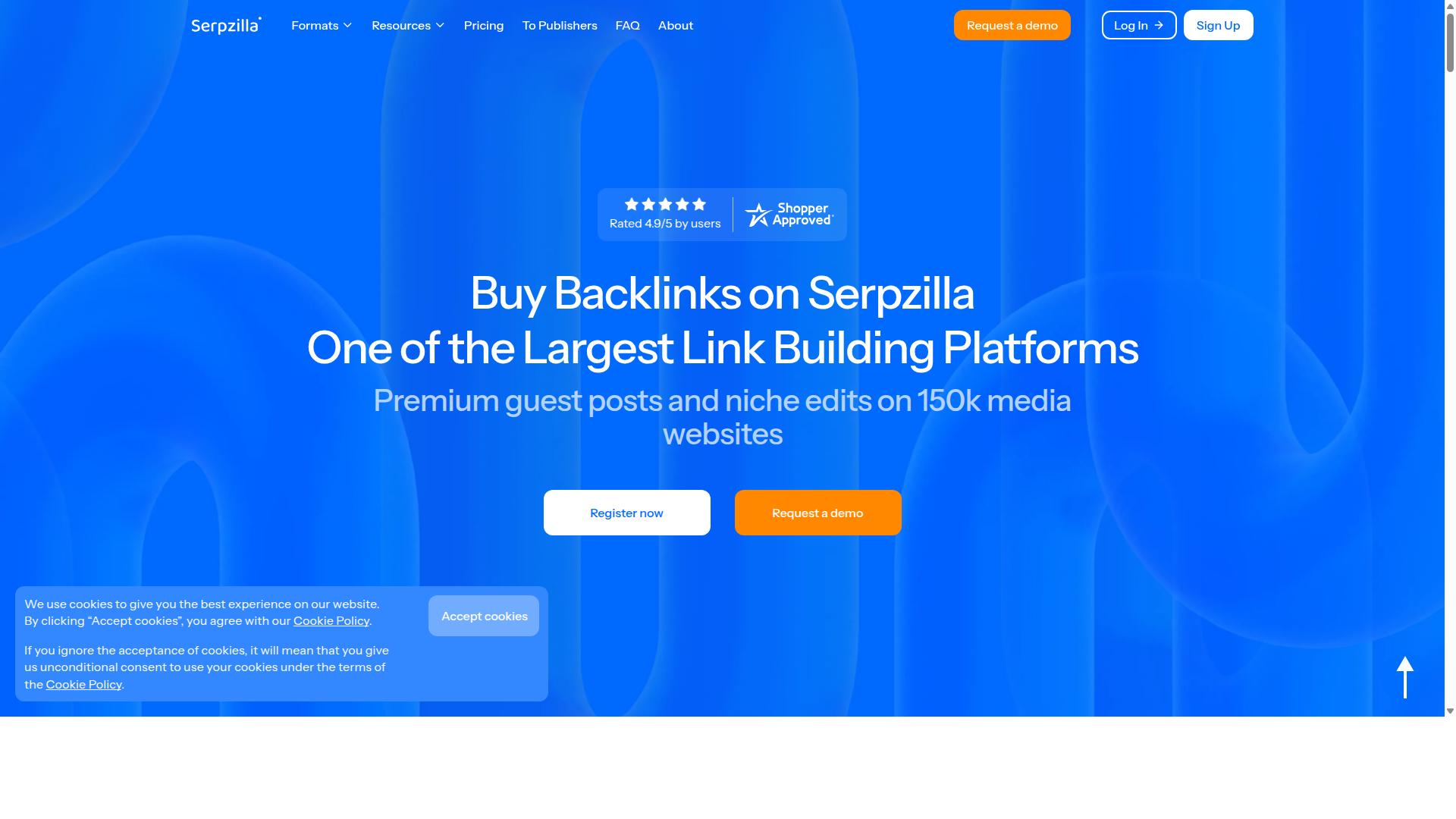
Serpzilla focuses on rapid link insertion within existing content to accelerate indexation and authority transfer.
The service operates as an alternative backlink option for users who previously relied on Bazoom. It connects buyers with established publishers through an automated marketplace system.
SEO agencies and freelancers use this platform to manage larger link campaigns without manual outreach. The approach emphasizes placement speed and volume control over traditional guest posting methods.
Link Building Features
The platform's niche-edit marketplace lets users filter by URL metrics, language, and traffic estimates before purchase.
Filtering options include domain authority ranges, spam score limits, and topical relevance scores. Users can set parameters to match their specific campaign requirements and target audience preferences.
Placement typically occurs within one to seven days after order confirmation. The system provides controls for follow versus nofollow link ratios through the purchase interface.
Additional features include competitor analysis integration and automated placement across multiple content categories. This setup supports agencies managing multiple client campaigns simultaneously.
Publisher Reach & Pricing
Publisher coverage spans multiple verticals with straightforward per-link pricing that scales with volume.
Average placement costs start from five dollars per guest post and extend to one dollar per month for sitewide rental options. Volume discounts apply as order quantities increase beyond standard minimums.
Publisher networks typically include over one hundred fifty thousand media websites across different languages and regions. This scale allows users to diversify their referring domains while maintaining topical relevance.
Payment structures follow a pay-as-you-go model without monthly subscription requirements. This flexibility suits agencies testing different link building approaches before committing to larger campaigns.
3. Linkhouse
Linkhouse aggregates Eastern-European and global publishers under one outreach and placement interface. The platform focuses on connecting SEO teams with verified domains for sponsored content and link insertion campaigns. Users can filter prospects by topical relevance and domain authority metrics.
This approach helps digital PR teams scale their backlink alternatives beyond single-market options. The system supports outreach automation across multiple geographic regions simultaneously.
Platform Capabilities
Built-in outreach sequences and performance dashboards track open rates, reply rates, and final placement status. Teams can create reusable email templates that adjust based on publisher type and campaign goals.
The sequence builder allows marketers to set follow-up timing and message variations for different stages of the outreach process. A/B subject-line testing helps improve email deliverability rates across campaigns.
Placement-verification screenshots provide proof of link placement after publishers complete their end of the agreement. This documentation helps maintain quality control across large-scale link building efforts.
Users can monitor campaign performance through centralized reporting that shows which publishers respond most consistently to outreach requests.
Market Coverage & Costs
Publisher selection leans toward regional markets while offering tiered pricing based on DA and traffic tiers. The platform covers multiple Eastern-European countries alongside some global English-language sites.
DA 30-50 domains typically fall into lower price bands compared to DA 50+ publications that command higher placement fees. Costs vary depending on content requirements and anchor text optimization needs.
Teams working with competitor backlinks analysis can use the platform to identify similar publishers that their competitors use for link placement. This helps maintain competitive link velocity across relevant domains.
The geographic focus makes Linkhouse particularly useful for businesses targeting specific regional markets rather than purely global audiences.
How to Choose the Right Option
Decision criteria should map directly to campaign goals, budget ceilings, and required publisher geographies. Start by defining the volume of publishers needed and the average placement cost per link. A clear budget ceiling keeps selections realistic and helps filter out platforms that exceed limits.
Publisher count needs differ by campaign scope. Smaller initiatives may require only a few dozen placements while scaling efforts demand access to hundreds or thousands of sites. Consider whether the platform maintains sufficient inventory across specific regions or languages when geography matters.
Budget per link forms another key variable. Placement costs fluctuate based on domain authority, topical relevance, and content type. Platforms that list transparent pricing help teams compare options more efficiently and avoid unexpected overages.
Language requirements determine which networks can actually deliver. Some platforms specialize in English content while others maintain broader multilingual inventories. Verify that the chosen option supports the target languages before committing resources.
Integration with existing outreach tools affects workflow efficiency. Teams that already use automation software need platforms that connect smoothly rather than requiring separate logins and data exports. This reduces manual work and potential errors during campaigns.
Experts recommend a 30-day trial or pilot budget to validate performance. This period allows teams to measure actual placement rates, average costs, and content quality before committing to larger contracts. Track metrics such as domain authority of accepted sites and topical relevance during the test phase.
Final Verdict
Selecting the right platform hinges on whether global reach, automation depth, or niche focus best matches your growth stage.
Worldwide publisher access lets teams place links across markets without juggling multiple vendor relationships. This breadth matters for marketers who need to manage campaigns in several languages at once.
Integrated AI tooling speeds up prospecting and helps craft personalized outreach sequences. Teams spend less time on repetitive tasks and more time on creative strategy.
Transparent scaling costs remove the guesswork when budgets shift. Agencies can add or reduce link volumes month to month without renegotiating contracts.
WhitePress(r) provides a platform for SEO, AI visibility, and digital PR that combines these three factors into one interface. This end-to-end solution gives teams both breadth and control over their backlink programs.
Recommended Resources: